


Table of Contents
[Hide]
- Understanding Spin Classes and Their Benefits
- Choosing the Right Spin Class
- Preparing for Your First Class
- Understanding Bike Setup
- Warm-Up and Cool-Down Routines
- Incorporating Music and Motivation
- Adapting Classes for Individual Needs
- Safety Considerations During Spin Classes
- Creating a Community Through Spin Classes
- Tracking Progress and Setting Goals
- Conclusion: Embracing Spin Classes as a Lifelong Activity
Understanding Spin Classes and Their Benefits
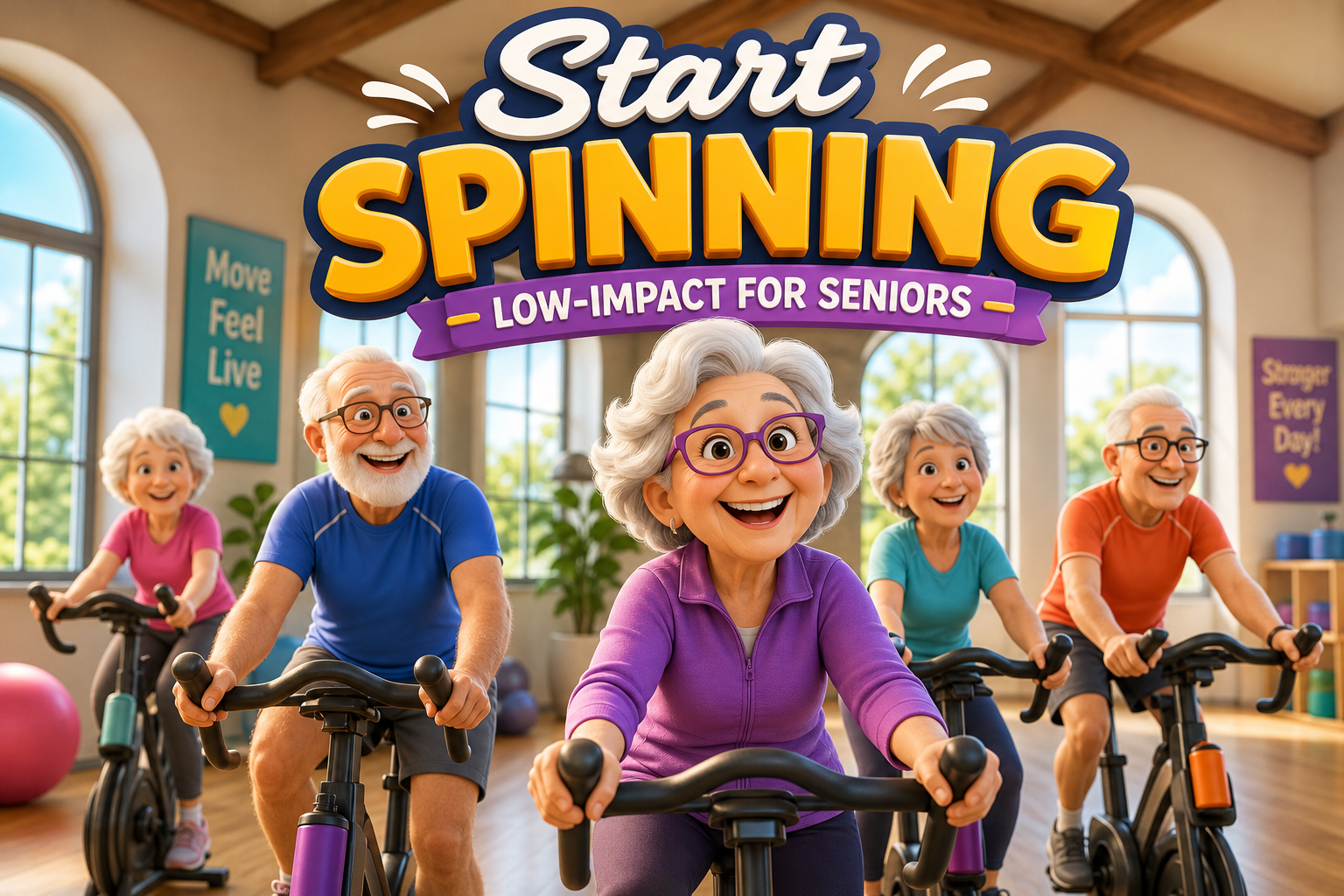
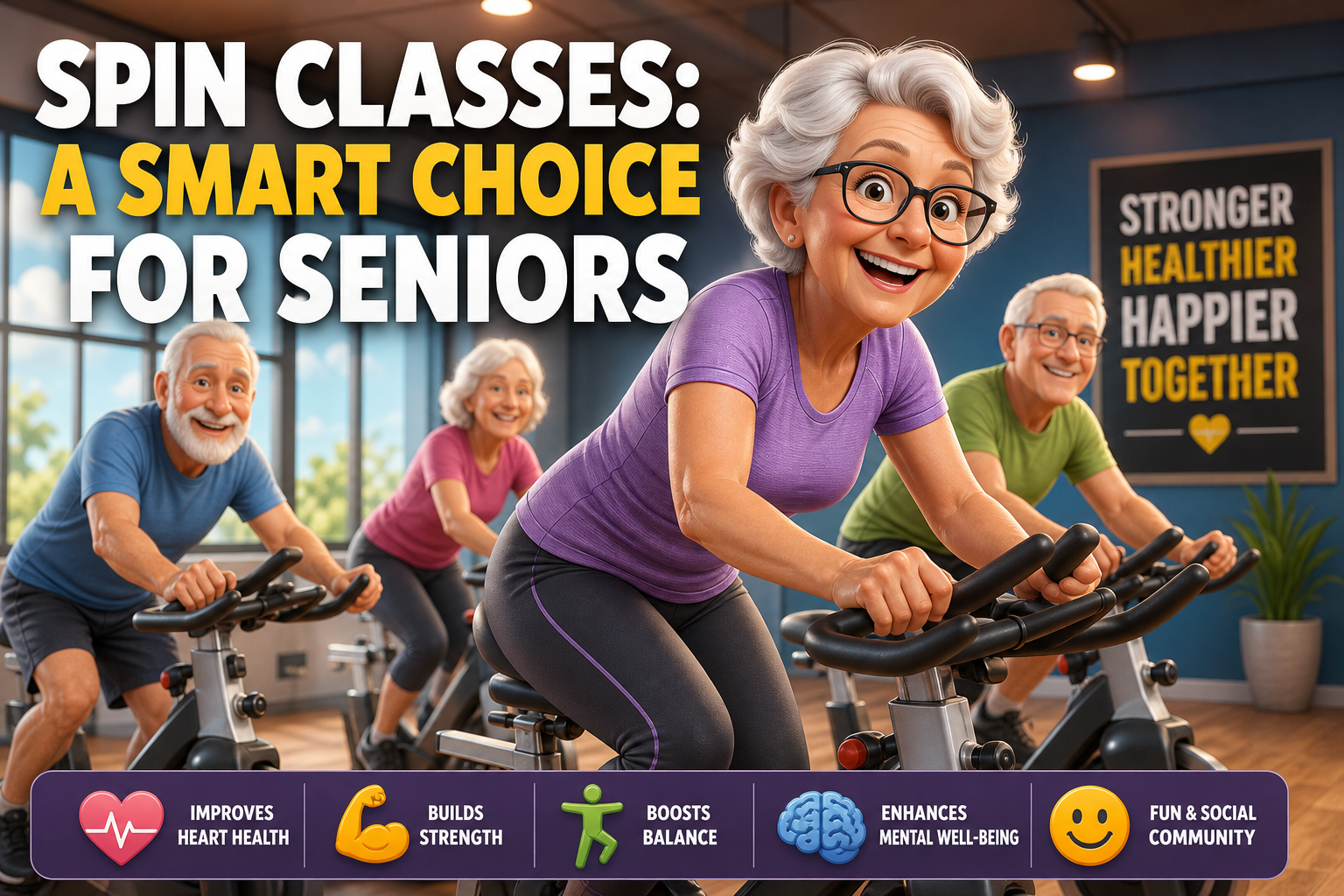
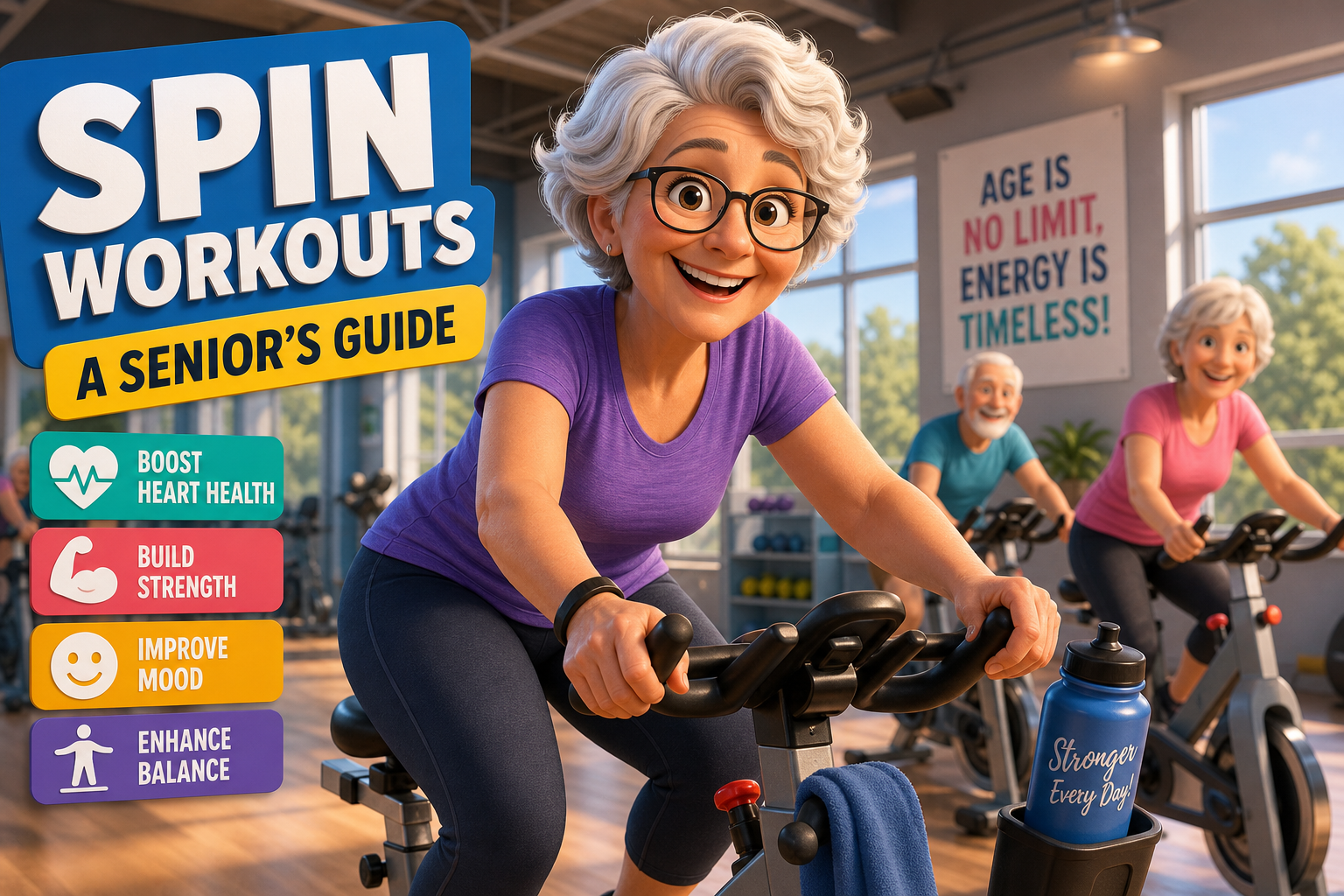
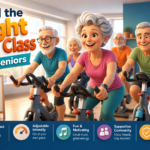
Spin classes are a popular form of indoor cycling that provides an excellent workout for individuals of all ages. For seniors, these classes offer specific benefits that promote health and well-being. First, they are low-impact, which means they are easy on the joints. This is important for older adults who may have arthritis or other mobility issues. Second, spin classes can help improve cardiovascular health. Regular cycling can strengthen the heart and enhance blood circulation. Additionally, spin classes can boost mental health by releasing endorphins, which are the body’s natural mood lifters.
Key Takeaways & Quick Overview
- Spin classes can boost cardiovascular health and improve mobility for seniors.
- Adjusting bike settings properly is essential for comfort and safety.
- Incorporate music and light coaching to enhance the spin experience for older adults.
Moreover, spin classes can foster a sense of community. Many seniors appreciate the social aspect of attending these classes. Being part of a group can motivate individuals to stick to their fitness routines and encourage them to push their limits. Overall, spin classes are a fantastic way for seniors to stay active, make friends, and improve their quality of life.
Choosing the Right Spin Class
Not all spin classes are created equal. When looking for a spin class suitable for seniors, it is important to consider a few key factors. First, check if the class is labeled as senior-friendly. Many gyms or studios offer classes specifically designed for older adults, focusing on lighter intensity and longer breaks.
Next, assess the qualifications of the instructor. A good instructor should have experience working with seniors and be able to modify exercises as needed. They should also be patient and encouraging, creating a welcoming atmosphere. Additionally, look for classes that provide adjustable bikes. Proper bike fitting is essential to ensure comfort and prevent injuries. Finally, consider the class size. Smaller classes can allow for more personalized attention and a better experience overall.
Preparing for Your First Class
Preparation is key to enjoying your first spin class. Before you attend, make sure to wear comfortable, breathable clothing. Proper footwear is also essential. Most studios recommend wearing cycling shoes, but any supportive athletic shoe will suffice. Bring a water bottle to stay hydrated during the workout.
Arrive early to get familiar with the bike and the environment. This will give you time to adjust the seat height and handlebars to your preference. If you are unsure how to set up the bike, do not hesitate to ask the instructor for assistance. They are there to help you. Finally, listen to your body during the class. If something feels uncomfortable, do not hesitate to stop or modify the movement.
Founder's Pro-Tip
Always start with a warm-up to prepare the body for exercise and prevent injuries, especially for senior participants.
Understanding Bike Setup
Setting up the spinning bike correctly is important for a comfortable ride. Start by adjusting the seat height. When seated, your knees should be slightly bent at the bottom of the pedal stroke. If your knees are too high or too low, it can lead to discomfort or injury. Next, adjust the handlebars. They should be at a height where you can reach them comfortably without straining your back.
Additionally, make sure the bike is stable. Check that the bike is not wobbling and that the pedals are secure. Some bikes have adjustable resistance settings. Start with a lower resistance level until you feel comfortable, and gradually increase it as you gain strength. Remember, it is important to focus on form and technique rather than speed or intensity.
Warm-Up and Cool-Down Routines
Warming up before class is essential for preventing injuries. A good warm-up should last about 5 to 10 minutes. Start with light pedaling on the bike. Gradually increase your speed and resistance. This prepares your muscles and joints for more vigorous activity. You can also include some upper body stretches to loosen up the arms and shoulders. Simple neck rolls and shoulder shrugs can also help.
After the class, cooling down is equally important. Spend another 5 to 10 minutes pedaling at a slow pace. This helps lower your heart rate gradually. Afterward, stretch your legs and back to prevent stiffness. Focus on the quadriceps, hamstrings, and calves. Holding each stretch for 15 to 30 seconds will enhance flexibility and relaxation.
Incorporating Music and Motivation
Music plays a vital role in spin classes. It can motivate participants and create a fun atmosphere. For seniors, the right playlist can enhance enjoyment and energy levels. Consider selecting music that is familiar and uplifting. Songs from the 60s, 70s, and 80s often resonate well with older adults, creating a nostalgic and enjoyable experience.
Instructors can also use motivational cues during the class. Encouragement can boost confidence and help seniors push through challenging segments. Phrases like “You can do this!” or “Keep going!” can make a significant difference. It is essential to create a positive environment where seniors feel supported and motivated throughout the class.
Adapting Classes for Individual Needs
Every senior has different fitness levels and health concerns. Therefore, adapting classes for individual needs is essential. Instructors should offer modifications for various exercises. For example, if a participant finds it challenging to stand while cycling, they can remain seated while still keeping the intensity up by adjusting the resistance.
Encourage seniors to listen to their bodies and communicate their needs during class. If someone experiences discomfort, they should feel comfortable voicing that to the instructor. Providing options, such as quick breaks or alternative exercises, ensures that everyone can participate without feeling overwhelmed.
Safety Considerations During Spin Classes
Safety is a top priority in any fitness class, especially for seniors. Before starting a spin class, seniors should consult their healthcare providers, especially if they have pre-existing conditions. It is essential to understand any limitations and seek advice on exercise intensity.
During class, participants should stay hydrated. Having water nearby is important to avoid dehydration. Additionally, seniors should pay attention to their heart rate. If they feel dizzy, experience chest pain, or become overly fatigued, they should stop immediately and consult the instructor. Always prioritize safety and well-being over intensity.
Creating a Community Through Spin Classes
One of the most significant benefits of participating in spin classes is the sense of community. Many seniors enjoy the camaraderie that comes with working out in a group. Encourage social interaction among participants. Simple activities, like introducing themselves or sharing fitness goals, can help build connections.
Consider organizing social events outside class, such as coffee meet-ups or group outings. This fosters a supportive environment where seniors feel valued and connected. Building relationships within the group can motivate individuals to attend classes regularly and support each other on their fitness journeys.
Tracking Progress and Setting Goals
Tracking progress is essential for staying motivated. Encourage seniors to set realistic fitness goals. Goals can be as simple as attending a certain number of classes per week or improving their cycling speed. Using a journal or fitness app can help participants log their progress.
Instructors can help individuals set achievable milestones. If someone has been attending classes consistently, they might aim to increase resistance or try a longer session. Celebrating small victories can boost confidence and encourage continued participation. Progress tracking is a fantastic way to stay focused and committed to fitness goals.
Conclusion: Embracing Spin Classes as a Lifelong Activity
Spin classes offer numerous benefits for seniors, promoting physical health, mental well-being, and social interaction. By understanding the unique needs of older adults and adapting classes accordingly, fitness instructors can create an engaging and supportive environment. With the right preparation, music, and encouragement, seniors can enjoy spinning as a lifelong activity. It is never too late to start cycling and experiencing the joy of fitness.
Ultimately, the journey of fitness is personal. Each senior’s experience in spin classes will vary based on their background, goals, and comfort levels. By embracing this journey together, seniors can foster a community that uplifts and inspires one another, making spin classes a rewarding part of their lives.